Where your exploration data lives and who controls it
Exploration data is costly to gather and easy to scatter. How to answer your IT team on hosting, exports, accounts and ownership before choosing a platform.
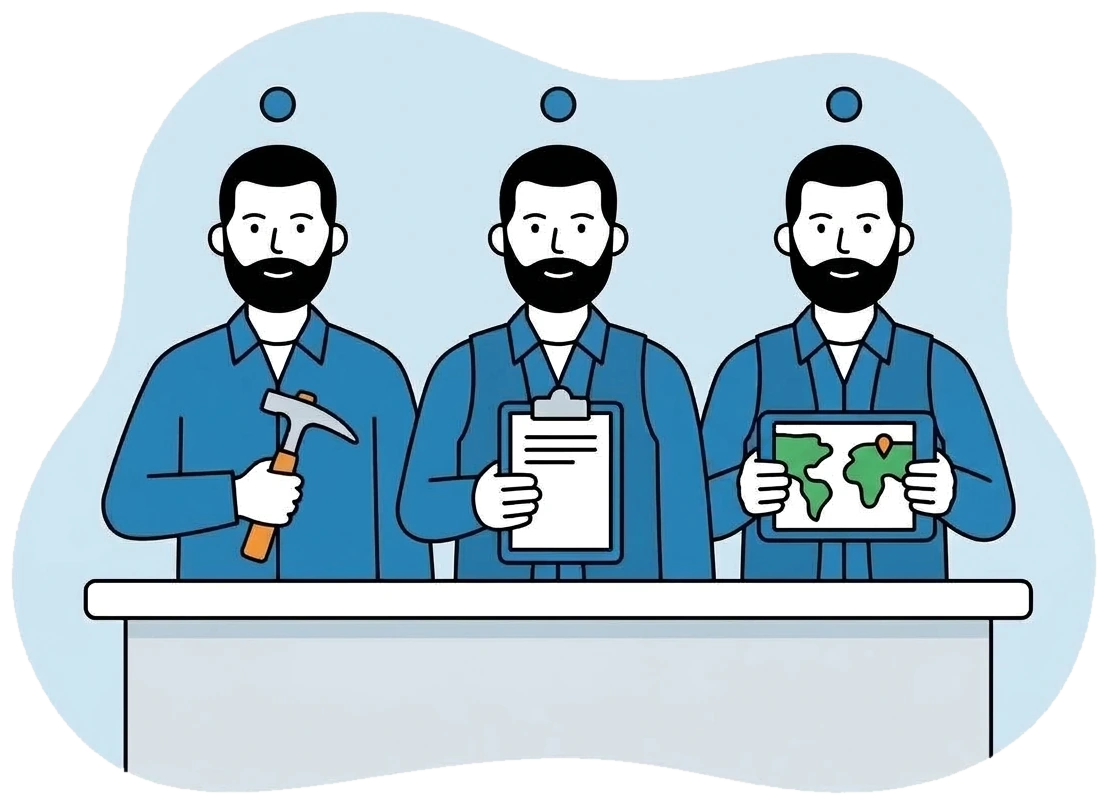
Before a mine exists, an exploration company’s value rests largely on its titles and its data. Ask a director where that data sits today, and the honest answer takes a while. Some is in the ERP, some in spreadsheets, some on Drive, some in WhatsApp conversations, and some on the laptop of a geologist who left. Nobody can draw the whole picture, and that becomes awkward the day an IT director, a partner or a buyer asks for it.
Replacing that mess with a single platform raises a fair worry of its own: are you just moving everything into somebody else’s hands?
What five disconnected tools really cost
The obvious cost is the subscriptions. The bigger one sits in the gaps. Every tool has its own login and its own rights, so access has to be managed several times over. The same permit exists in four versions, and none of them is clearly the right one. Each gap between tools costs time, and sometimes a permit.
FlexiMining puts finance, HR, team chat, field work and the mobile app on one login and one set of permissions, with FlexiERP as the back office behind them. That leaves one system to buy, secure and support, and it also means your data sits in a single place, which makes the question of control matter more.
Hosted where you decide
You host the platform on your own servers or on a cloud you choose. Your data is never shared with other customers. For a company with unpublished assays, that is often the first thing the director asks about.
Your own servers also mean your own responsibilities, so settle early who looks after the machines and backups. The yearly maintenance covers updates, security fixes, support on business days and proactive monitoring of the platform. Decide with your IT team how that fits with what they already do.
Getting your data back out
Lock-in usually shows itself only on the day you try to leave, so test for it before you sign. All of your data can be exported at any time in standard formats. Boundaries and points move to and from any GIS in KML and GeoJSON, and a drilling campaign goes out to Excel the same way it came in. Any custom work belongs to you.
Ask for a full export during the trial, and have somebody open the files.
What an IT review will ask
A security review tends to come down to a few plain questions, and these are the answers the sources support:
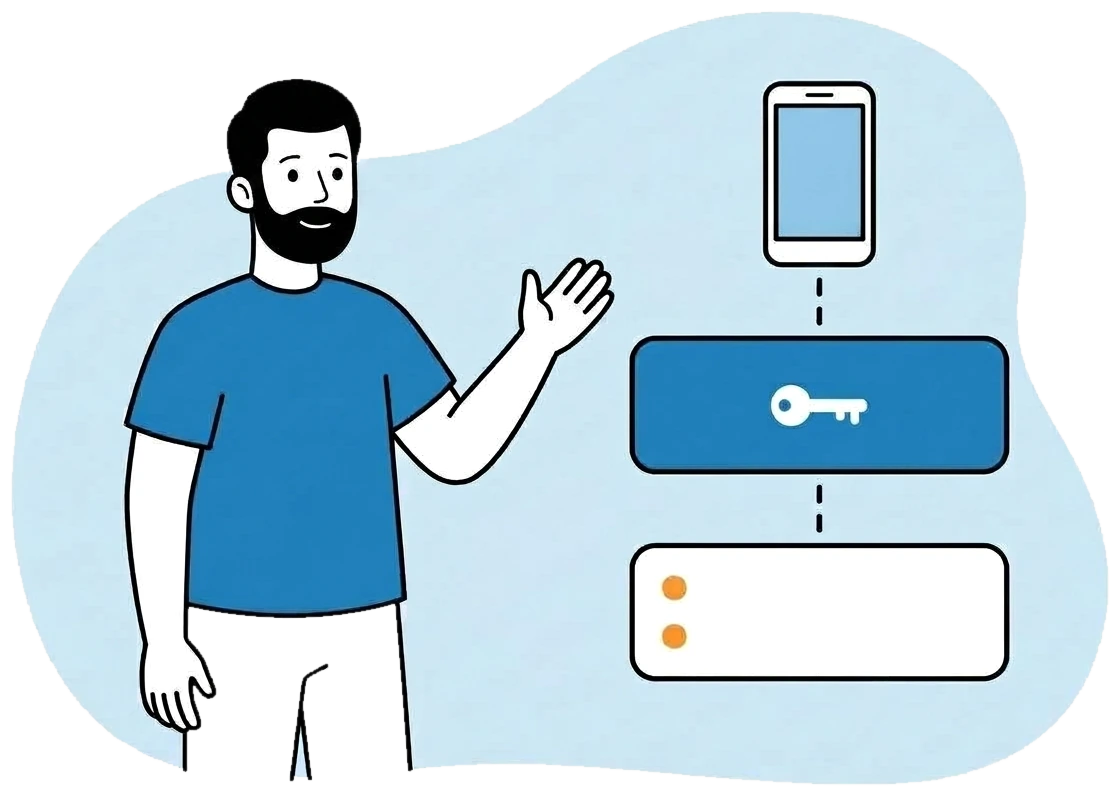
- Who is behind each action? Each person always works under their own account and role, with no shared master account behind the scenes.
- Where are permissions enforced? On the server, so a restriction is more than a button hidden in the app.
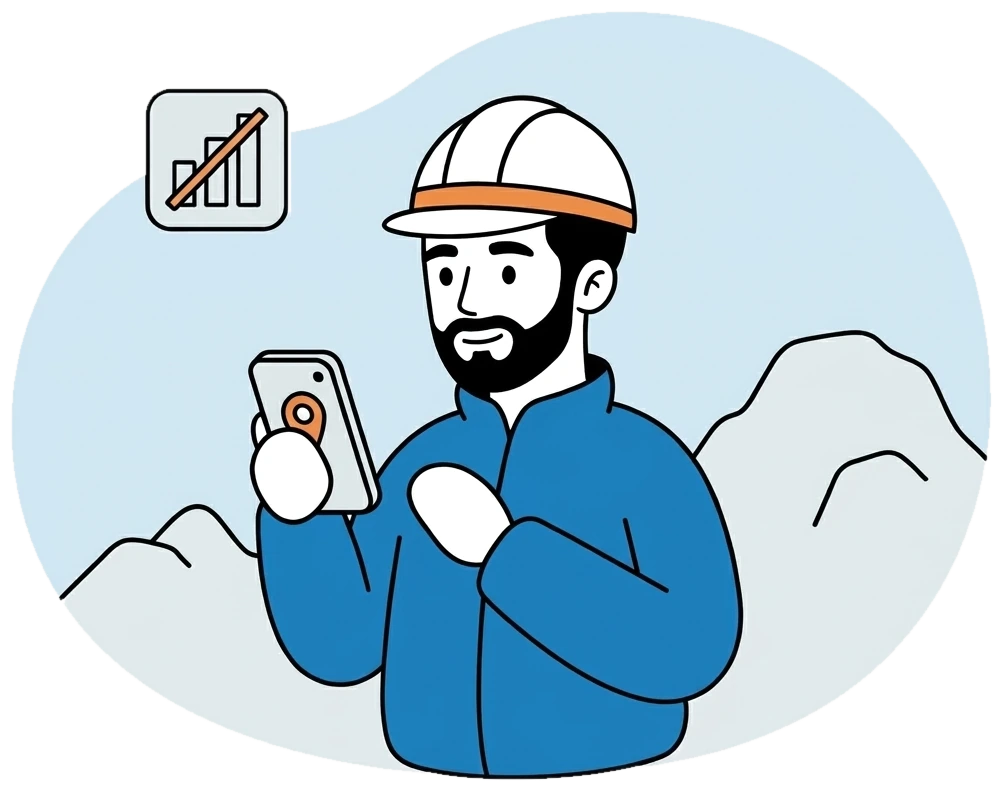
- How do people sign in on site? By Face ID or fingerprint on the phone.
- What talks to the outside? Google Calendar sync for permit expiry dates. The platform does not send WhatsApp, SMS or email, and server push notifications are on the roadmap.
If your procurement process requires a specific security certification, ask about it directly, since the public product material does not list one. A straight question there will save time for both sides.